Fertilizer can transform a struggling garden or lawn into one that thrives, or quietly damage it, depending on how it’s used. This guide breaks down the fertilizing lawn garden mistakes that cause the most damage, and exactly how to avoid or fix each one.
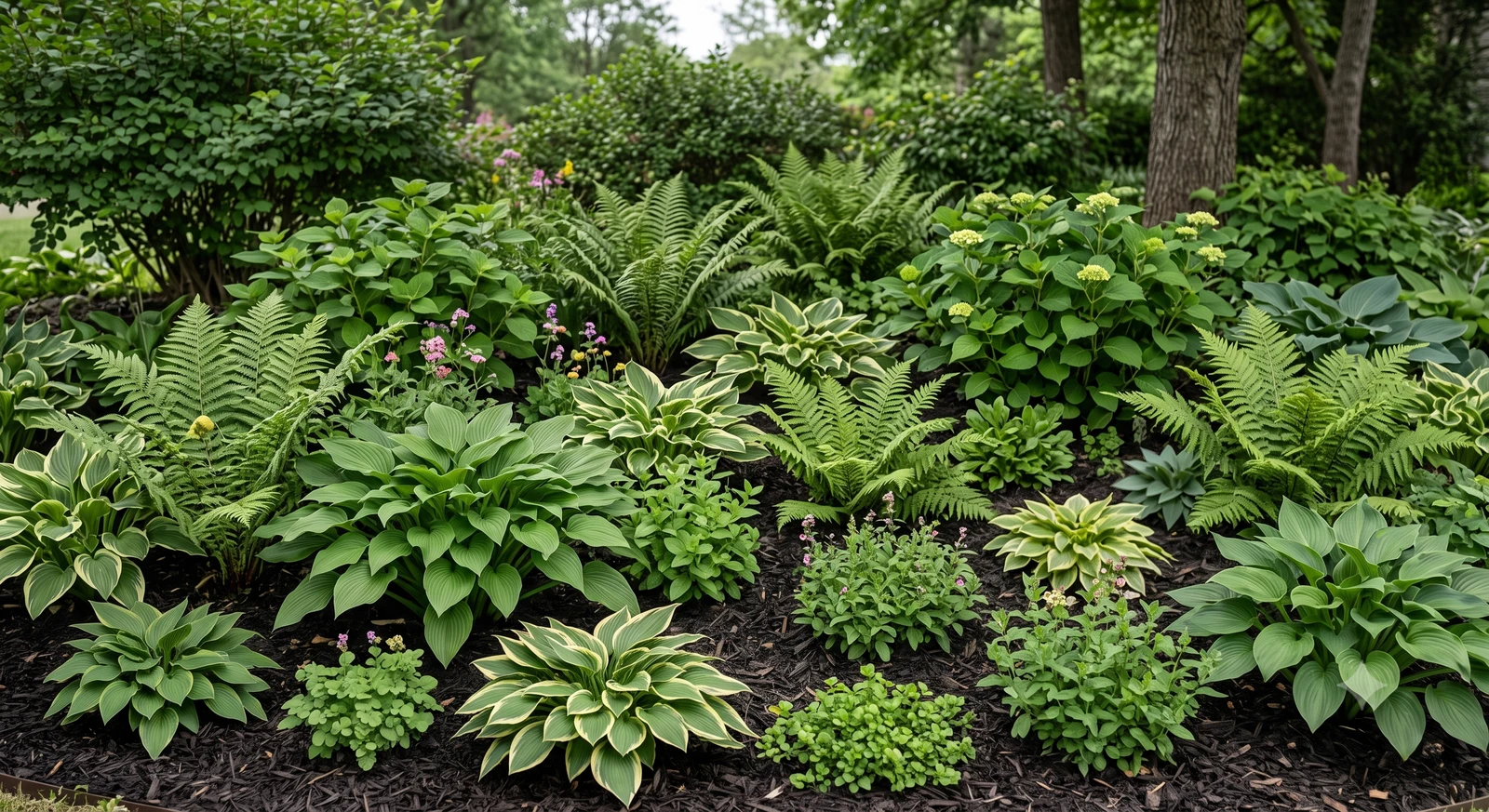
The difference between a garden that thrives and one that struggles usually comes down to a handful of avoidable habits, not bad luck or bad soil. Here are the eight most common fertilizer mistakes, starting with the one responsible for more scorched lawns and gardens than any other.
1. Over-Fertilizing
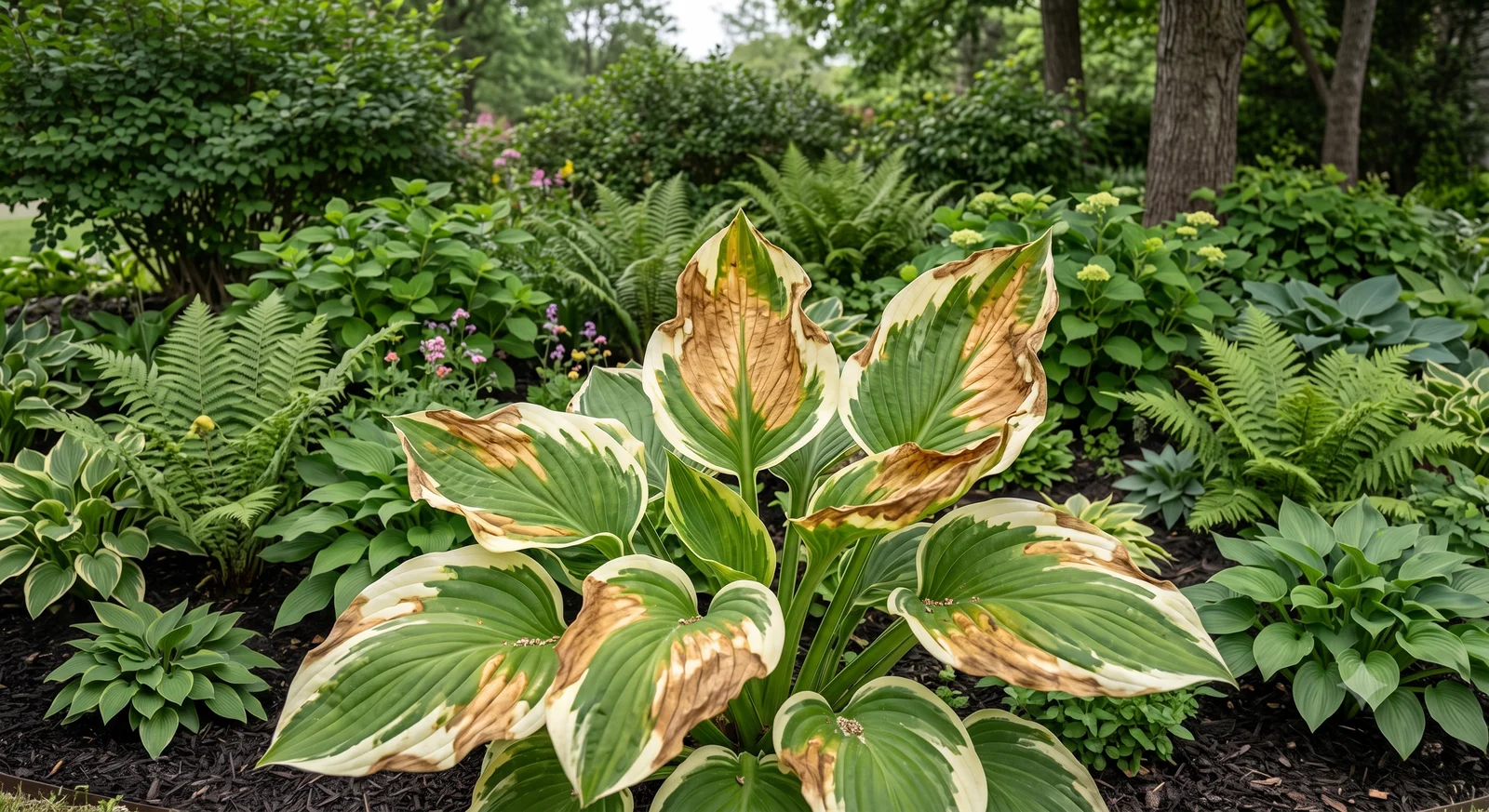
This is the mistake behind the classic “fertilizer burn” (yellowing leaves and crisped, browned edges) and the mechanism is worth understanding, because it explains why more is never better. Excess fertilizer raises the salt concentration in the soil around the roots. Water naturally moves toward the side with more dissolved salt, so instead of soil water moving into the roots, it gets pulled the other way, out of the roots and into the surrounding soil, by osmosis. The plant ends up dehydrated even in wet soil, and the leaf damage you see is essentially a drought symptom caused by too much feeding, not too little water. If you’ve over-applied, water deeply and thoroughly to flush the excess salts out of the root zone, and hold off on reapplying until the plant shows signs of recovery.
2. Under-Fertilizing
Under-fertilizing is the flip side, and it’s the one that gets misdiagnosed most often. A plant that isn’t getting enough nutrients shows up as slow, stunted growth, pale or yellowing leaves (a different pattern than burn: more uniform, without the crisped margins), and disappointing yields on vegetables and fruiting plants. Because none of those symptoms scream “nutrition,” it’s easy to assume you’re dealing with a pest or disease problem and go looking for a bug or a fungus that isn’t actually there. If growth has been sluggish all season and nothing else explains it, a feeding issue is worth ruling out before anything more exotic.
3. Using the Wrong Fertilizer for the Job
Not every fertilizer is interchangeable, and a mismatched choice can cause real damage rather than just wasted money. Every fertilizer carries an N-P-K ratio (nitrogen, phosphorus, potassium) and applying a lawn-strength, high-nitrogen product to fruiting vegetables, for example, tends to push leafy growth at the expense of flowers and fruit. Synthetic and organic formulations behave differently too: synthetics act fast and are easy to over-apply, while organics release more slowly and are more forgiving but slower to correct a real deficiency. Our NPK Calculator helps you work out the right ratio and application rate for what you’re actually growing, instead of reaching for whatever’s already in the shed.
4. Fertilizing at the Wrong Time of Day
Applying fertilizer during the hottest part of the day, typically midday sun, increases both plant stress and burn risk, since heat speeds up water loss right when the plant is least equipped to handle an added salt load at the roots. Early morning or late afternoon, when temperatures are cooler and the plant isn’t already under heat stress, gives the fertilizer time to soak into the soil properly before the next stretch of intense sun. It’s a small scheduling change with an outsized effect on how well the application actually takes.
5. Fertilizing at the Wrong Time of Season
Timing by season is one of the most common lawn fertilizer mistakes, because the right window depends entirely on which grass type you have. Cool-season grasses (Kentucky bluegrass, tall fescue, ryegrass) do their real growing in early spring and fall, so that’s when they benefit most from feeding. Warm-season grasses (bermuda, zoysia, St. Augustine) grow hardest in late spring and summer and should be fed on that schedule instead. Feed either type during its dormant season and the fertilizer mostly sits unused: the plant isn’t actively taking up nutrients, so you’ve wasted the application and can add unnecessary stress on top of it. Not sure which type you have? See our full guide to cool-season vs. warm-season grass for the visible differences and how to tell them apart.
6. Skipping a Soil Test
Of all the common fertilizer mistakes on this list, this is the easiest to fix with one simple habit. Fertilizing by habit (applying the same product on the same schedule every year regardless of what the ground actually needs) risks both under- and over-correcting, since you’re guessing at a deficiency instead of measuring one. Soil texture matters here too: sand, silt, and clay each hold and release nutrients differently, which changes how a given fertilizer actually behaves once it’s in the ground and how quickly it needs reapplying. Our Soil Type Calculator classifies your soil texture from a simple jar test, which is genuinely useful context before you decide what and how much to feed. If you’ve already got a lab report in hand and aren’t sure what the numbers mean, see our full guide on how to read your soil test results.
7. Applying to Dry Soil and Skipping the Watering-In Step
Fertilizer applied to bone-dry soil doesn’t dissolve and move into the root zone the way it’s supposed to: it can sit concentrated on the surface or around exposed roots, which raises the risk of the same salt-burn damage described in mistake #1, just from poor timing instead of overdose. If the soil is dry, water it first so the ground can actually absorb what you’re about to apply. After fertilizing, water it in: this carries the nutrients down to where the roots can use them instead of leaving them stranded at the surface.
8. Guessing the Amount Instead of Calculating It
The last mistake ties the first two together: guessing at how much fertilizer to apply is how people end up over- or under-fertilizing by accident in the first place. Eyeballing a granular spread or mixing a liquid feed “by feel” makes it easy to double the recommended rate without realizing it, or apply so little that nothing changes. Our free NPK Calculator works out the exact application rate, liquid dilution, or blend ratio for your fertilizer and target N-P-K, so you’re feeding a measured amount instead of a guess.
Free book · 28 pages, PDF
Fertilizing Mistakes FAQ
What mistakes should I avoid when fertilizing a garden?
The biggest ones are over-applying, guessing at the amount instead of calculating it, using the wrong N-P-K ratio for what you're growing, and fertilizing at the wrong time of day or season. Skipping a soil test compounds all of them, since you're feeding without knowing what the soil actually needs.
What happens when you add too much fertilizer to plants?
Excess fertilizer raises the salt concentration in the soil, which pulls water out of the roots by osmosis instead of letting the roots absorb it. The result is fertilizer burn (yellowed leaves with browned, crisped edges) even though the soil may be perfectly moist. Deep watering flushes the excess salts back out.
What happens if you use the wrong fertilizer?
A mismatched N-P-K ratio can push the wrong kind of growth: too much nitrogen on a fruiting vegetable, for example, favors leafy growth over flowers and fruit, while an overly strong formulation for a sensitive plant raises the risk of burn. At best it wastes money; at worst it sets the plant back.
How long does it take for lawn fertilizer to work?
Most lawns show visible greening within one to two weeks. Fast-release synthetic fertilizers tend to show results within the earlier end of that window, while slow-release organic fertilizers take a bit longer but feed more gradually over a longer stretch.
I forgot to fertilize my lawn last fall. Am I doomed?
No, a single missed fall feeding isn't catastrophic for an established lawn. Pick the schedule back up in early spring at the normal rate for your grass type, and don't try to double up to make up for lost time, which just risks over-fertilizing instead.
Sources & further reading
The soil-test guidance above follows the USDA Agricultural Research Service’s Reducing Fertilizer Use with a More Accurate Soil Test. For more on how we source and review the facts and formulas behind every calculator and guide on this site, see our methodology page. And for the full picture on feeding a garden or lawn correctly, see our complete guide to fertilizer and nutrients.