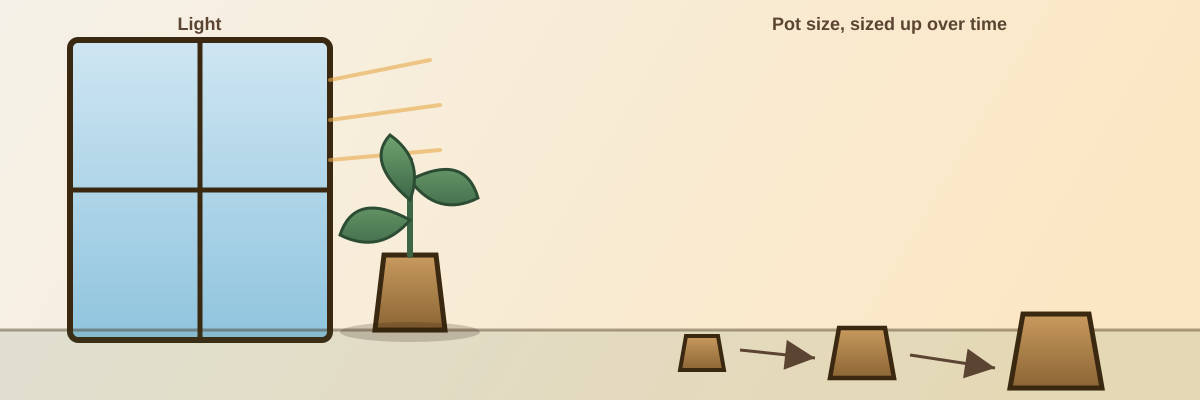
Healthy houseplants come down to two main levers: light and container. Get the light wrong and a plant stalls out, stretches toward the window, or drops leaves no matter how well you water it. Get the pot wrong — too small for too long, or sized up too aggressively — and roots either strangle themselves or sit in more soil than they can use, inviting root rot. Everything else in houseplant care (watering schedule, fertilizing, humidity) matters too, but it’s downstream of getting these two right first.
This cluster’s two calculators address each lever directly. The Grow Light & DLI Calculator turns a light reading (or a general sense of how bright a spot is) into a concrete number — Daily Light Integral — you can compare against what your plant actually needs. The Pot Size Calculator converts between pot sizing conventions and tells you the recommended next size up when it’s time to repot. Used together, they replace a lot of guesswork with two numbers you can actually check your plant against.
Light & Pot Size Calculators
How Much Light Does Your Plant Need?
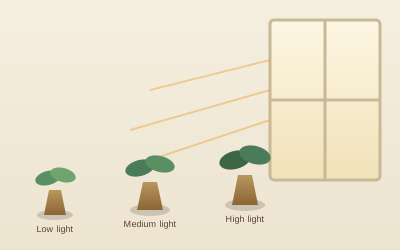
Houseplants roughly split into three light categories. Low light plants (snake plant, ZZ plant, pothos) tolerate the dim conditions of a north-facing window or a spot several feet back from any window, though they still grow faster in brighter conditions. Medium light plants (most monsteras, many ferns) want bright, indirect light — close to an east or west-facing window, or a few feet back from a south-facing one, but out of direct sun. High light plants (fiddle leaf figs, succulents, cacti) want the brightest indirect light your home offers, and several hours of direct sun does most of them no harm at all.
“Bright” and “dim” are subjective — Daily Light Integral (DLI) turns light into an actual number you can compare against a target range, the same way a thermometer replaces guessing whether a room feels warm.
Choosing the Right Pot Size
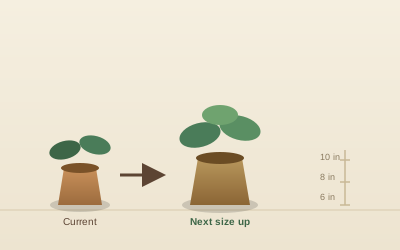
A pot that’s too small restricts root growth and dries out fast enough that you’re watering constantly just to keep up. A pot that’s too large holds more wet soil than the roots can use between waterings, which keeps the soil damp long enough to invite root rot — sizing up gradually, not jumping several sizes at once, is the safer default for most houseplants.
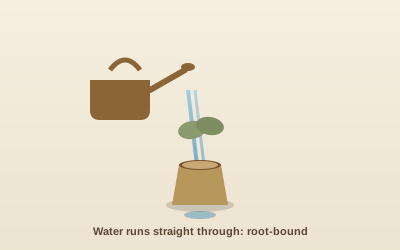
Three signs it’s time to repot: roots circling the drainage hole or visibly emerging from it, water running straight through the pot without the soil holding any of it (a sign the roots have displaced most of the soil), and growth slowing or stalling during the plant’s active growing season despite otherwise normal care. Any one of these on its own is worth checking; all three together mean it’s overdue.
Once you know your new pot size, it still needs filling — a repot isn’t just a bigger container, it’s fresh potting mix around the existing root ball too. Use our Soil Volume Calculator (from the Soil & Amendments cluster) to convert that pot’s dimensions into exactly how much potting soil to buy, rather than guessing and ending up short mid-repot.
Want the actual inches behind a “10-gallon” or “15-gallon” label, including height? See our full gallon-to-inches pot size guide for a real reference chart and how to measure a pot yourself.
Quick Reference: Light and Pot Size by Common Houseplant
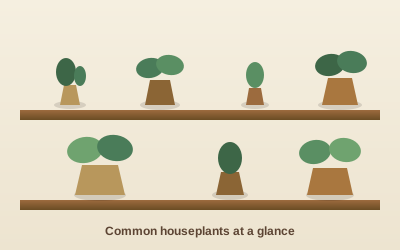
Light needs and pot size are independent decisions, not two versions of the same choice — a plant can need bright light in a small pot, or low light in a large one. Here’s where six common houseplants land on both:
| Plant | Light category | Typical starting pot size |
|---|---|---|
| Snake Plant | Low | 6–10 in (roughly 2–3 gal) |
| Pothos | Low | 4–6 in |
| Monstera | Medium | 6–10 in, sizing up to 10–14+ in as it matures |
| Fiddle Leaf Fig | High | 10–14+ in (roughly 5–15 gal) |
| ZZ Plant | Low | 6–10 in (roughly 2–3 gal) |
| Succulents / Cacti | High | 2–4 in — a snug pot, not a large one |
When to Reassess
Light follows the inverse-square law: double the distance from a window and the light hitting the plant drops to roughly a quarter, not half, of what it was. In practice, a south-facing window can deliver bright indirect light from 1–3 ft back, drop to medium light by 6 ft back, and fall to low light by 10 ft back — so moving a plant even 6 inches further from the glass is a bigger change than it feels like. Winter compounds this with a lower sun angle and shorter days, so a spot that read within the 6–10 mol/m²/day DLI target for a low-light houseplant in summer can easily drop below it by December without the plant moving an inch. Run the Grow Light Calculator’s DLI mode again each winter rather than assuming a spot that worked in July still does in January — if it’s short, move the plant closer to the glass or add 2–4 hours of supplemental grow light per day.
For pot size, the clearest single check is what happens to water: if it runs straight through the pot in a matter of seconds without the top inch of soil darkening or visibly absorbing any of it, the roots have displaced most of the soil and that pot is root-bound. Repotting timing beyond that is slower — most houseplants only need sizing up every 1–2 years, and a plant that isn’t showing the root-bound signal or the other repotting signs above doesn’t need a new pot on a schedule just because time has passed. Fast growers (pothos, monstera in active growth) may outgrow a pot within a single growing season, while slow growers (snake plant, ZZ plant, succulents) can go several years between repots.