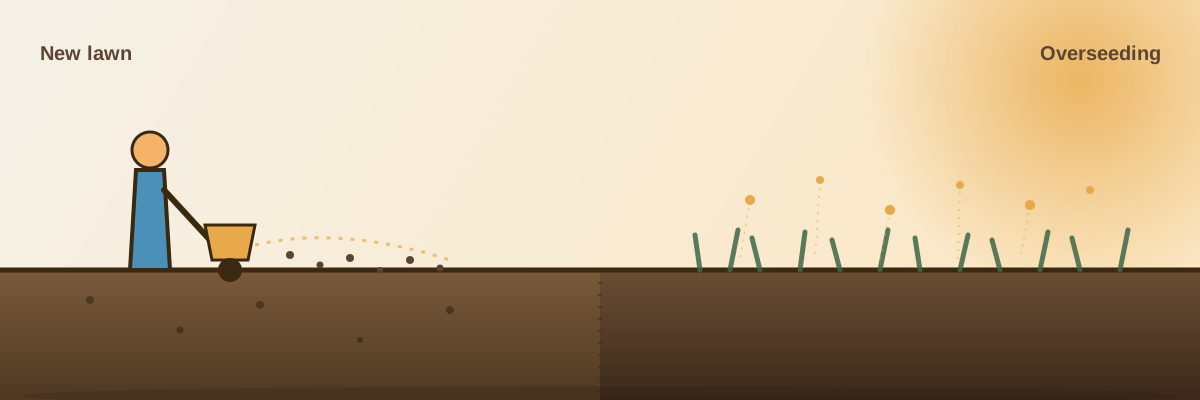
A great lawn starts with one decision: are you building it from scratch, or fixing one that already exists? Starting a new lawn means bare soil, no competition, and a full seeding rate to establish turf from nothing. Overseeding means working seed into an existing lawn that already has living grass in place — thickening thin turf, filling bare patches, or repairing damage — at a reduced rate, since the existing grass is already covering part of the ground.
Grass type matters just as much as which of those two situations you’re in. Cool-season and warm-season grasses germinate at different soil temperatures, thrive in different climates, and go dormant at different times of year — using the wrong species for your climate, or seeding at the wrong time of year for your species, wastes seed regardless of how precisely you calculate the amount. A full-season lawn care approach treats seeding (new or over-) as one step in a cycle that also includes mowing height, fertilizing, and seasonal timing — the calculators below handle the seed math; the guidance around them is built to get the timing and species choice right too.
| Grass Seed Calculator | Overseeding Calculator | |
|---|---|---|
| Use when | Starting a lawn from bare soil, or a full renovation where old turf is removed first. | Thickening a thin, patchy, or bare-spotted lawn that still has living turf in place. |
| Typical rate | 1.5–8 lb of seed per 1,000 sq ft depending on grass type — the full establishment rate. | Roughly half the new-lawn rate as a baseline, scaled up further for patchier or barer lawns. |
| Key difference | Calculates a full rate — new seedlings have no existing turf competing with them for light, water, or nutrients. | Calculates a reduced, condition-based rate — existing turf already covers part of the ground, so a full new-lawn rate wastes seed and can crowd out germinating seedlings. |
New Lawn, Overseeding & Sod Calculators
New Lawn or Overseeding?
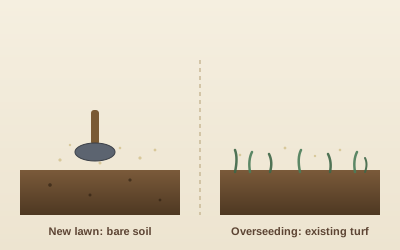
These are two different seeding jobs with two different rates, and mixing them up is the single most common seeding mistake. A new lawn starts from bare soil — tilled ground, a torn-out old lawn, or a brand-new construction lot — with nothing already growing to compete with new seedlings, so it needs a full establishment rate. Overseeding works seed into a lawn that already has living turf in place, whether it’s thin, patchy, or just due for a thickness boost — since the existing grass already covers part of the ground, it needs roughly half the new-lawn rate, scaled up if the lawn is thinner or barer. There’s a third path that skips seed entirely: sod gives you an instant, usable lawn at a higher cost, and holds slopes that seed would wash off of while it establishes.
Grass Seed Calculator
Open Existing lawnOverseeding Calculator
Open Instant lawnSod Calculator
OpenChoosing the Right Grass Type
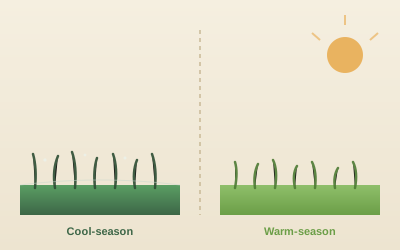
Lawn grasses split into two broad groups by climate. Cool-season grasses — Kentucky bluegrass, tall fescue, perennial ryegrass, fine fescue — thrive in the cooler climates of the Northern U.S. and the transition zone, grow most actively in spring and fall, and can go semi-dormant (brown) during peak summer heat. Warm-season grasses — Bermuda, Zoysia — thrive in the hot climates of the Southern U.S., grow most vigorously through summer heat, and go dormant (brown) once temperatures drop in winter.
The Grass Seed Calculator’s grass-type dropdown covers both groups for establishing a new lawn, and the Overseeding Calculator covers the same species (plus winter-overseeding a dormant Bermuda lawn with ryegrass for color) for renovating existing turf. The same split matters for sod, too, just for a different reason — warm-season sod is cut as thicker slabs and covers less area per pallet, while cool-season sod is cut thinner and sold as rolls that cover more; the Sod Calculator’s grass-type selector accounts for the difference. For the full diagnostic on telling the two groups apart, see our Cool-Season vs. Warm-Season Grass guide.
Lawn Care Timing
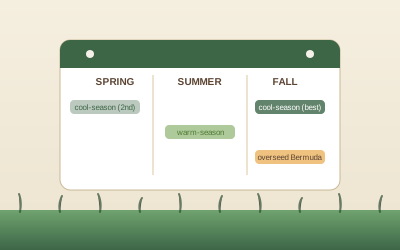
Timing matters as much as rate. Cool-season grasses germinate best when seeded in late summer to early fall, when warm soil and cooling air give fast germination without the stress of summer heat on new seedlings — early spring is a secondary, less reliable window for the same species. Warm-season grasses like Bermuda and Zoysia establish best once soil has warmed in late spring to early summer, while they’re actively growing rather than dormant. Winter-overseeding a dormant Bermuda lawn with ryegrass happens in fall, timed to when the Bermuda itself is going dormant.
Just like the vegetable planting dates elsewhere on this site are built around your local frost dates, lawn seeding windows are built around your local climate and grass type rather than a single calendar date. Check our Frost Date Calculator for your specific last and first frost dates as a starting reference point for spring and fall seeding windows in your area.