You can make your own fertilizer from kitchen scraps, yard waste, and a few pantry staples, and most of it genuinely works. But “homemade” doesn’t mean “automatically safe”: a couple of these, especially wood ash and fresh manure, need real care to use correctly, not just a vague warning to “use sparingly.” Here are 15 homemade fertilizers worth making, with honest notes on what each one is actually good for and where it can go wrong.
The 15 Homemade Fertilizers
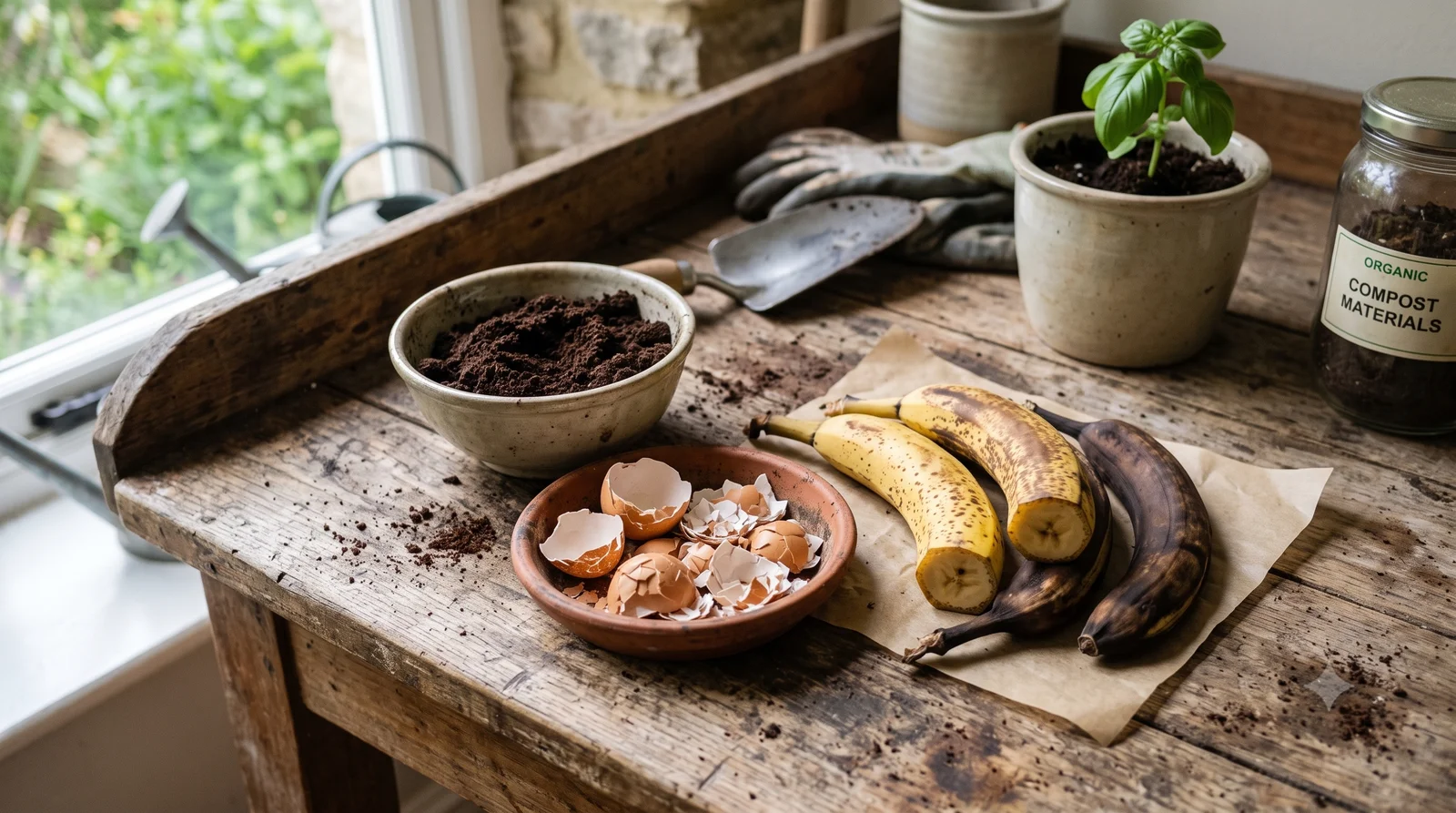
Coffee grounds. Used coffee grounds add a modest amount of nitrogen and a little organic matter, and despite the popular myth, they’re actually close to pH-neutral after brewing, not acidic. Compost them first rather than digging fresh grounds straight into a bed: a thick layer of fresh grounds can mat down, block airflow to roots, and tie up nitrogen as soil microbes work to decompose it before it ever reaches your plants. A thin scattering (no more than about a quarter-inch layer) worked into the top few inches of soil is fine; anything thicker is asking for trouble. For the compostability angle specifically, see our full guide to what you can and can’t compost.
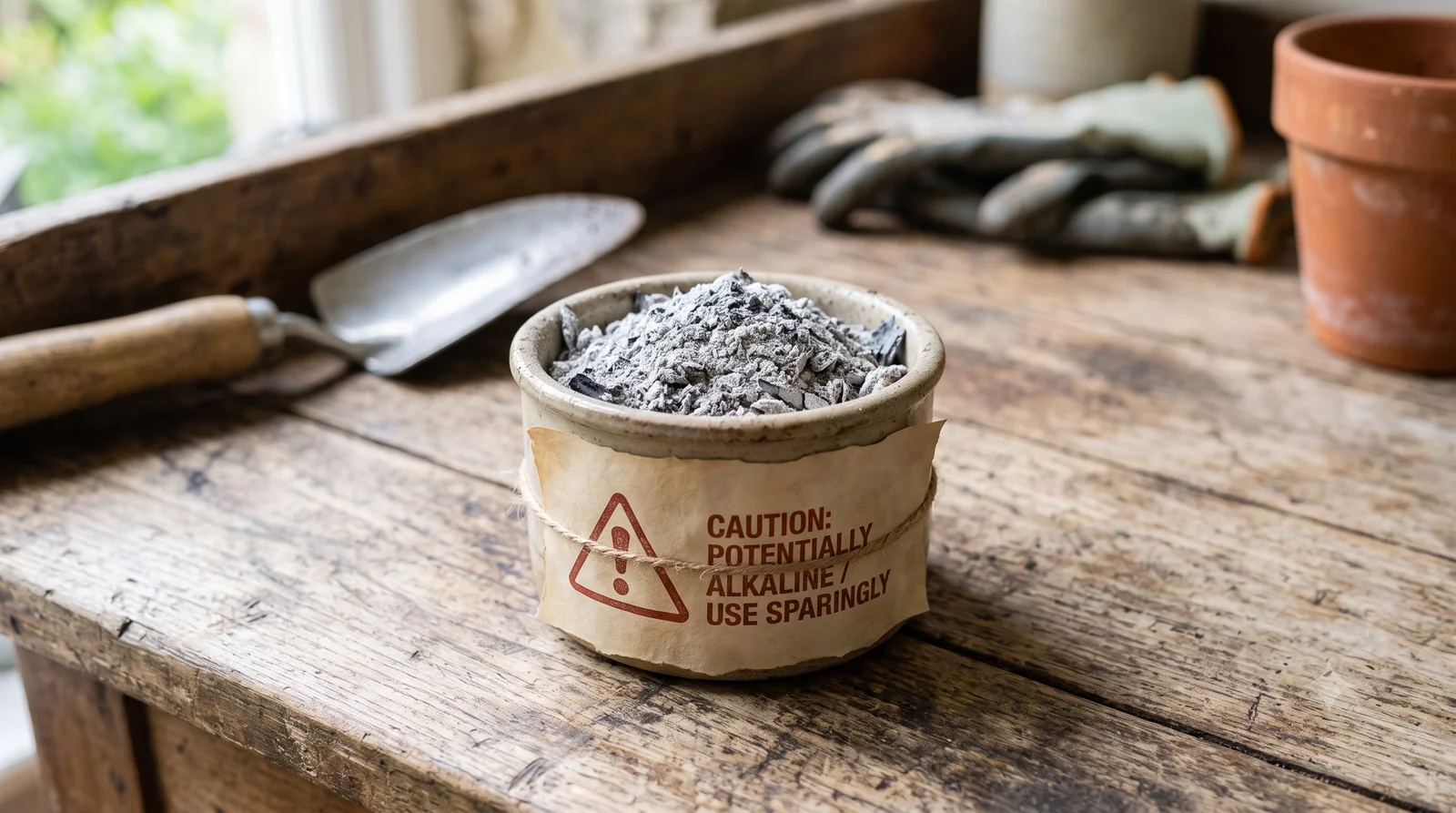
Wood ash. Wood ash supplies potassium and calcium, but its real effect on soil is raising pH: it’s alkaline, sometimes strongly so. That makes it useful on acidic soil that needs a lift, but it’s the wrong choice near blueberries, azaleas, rhododendrons, or any other acid-loving plant, where it can push pH into a range that blocks nutrient uptake entirely. Apply it sparingly (extension guidance generally caps it around 15–20 lbs per 1,000 sq ft per year), only from wood that hasn’t been treated or painted, and never in one heavy dump in a single spot.
Chicken manure. Chicken manure is high in nitrogen, but fresh manure is genuinely risky to use directly: it can burn plant roots and foliage, and it carries a real pathogen risk (E. coli and Salmonella among them) if it touches edible parts of a vegetable garden. Age it at least 6 months, ideally composted, before it goes anywhere near your beds, and if you’re applying it to a vegetable garden, most guidance recommends doing so at least 90–120 days before harvest, not treating “aged” as a substitute for that timing.
Compost tea. Steep finished compost in water (roughly a shovelful per 5-gallon bucket, left for 24–48 hours, stirred occasionally) and you get a diluted liquid feed that’s gentle enough to use on almost anything, including seedlings. It won’t replace a full fertilizing program on its own: the nutrient concentration is low and inconsistent batch to batch, but it’s a low-risk way to give plants a mild boost between regular feedings.
Banana peels. Banana peels are a real source of potassium, along with smaller amounts of phosphorus and calcium, but they only release those nutrients as they decompose. Chopping peels finely and burying them a few inches deep speeds that up considerably compared to laying a whole peel on top of the soil, where it can attract pests while it slowly breaks down. This is a slow-release, supplementary source, not a fast fix for a potassium-deficient plant.
Eggshells. Eggshells are mostly calcium carbonate, and that calcium is real, but set expectations honestly: whole or coarsely crushed eggshells break down extremely slowly, often taking a year or more to release meaningful calcium into the soil. Grinding them to a fine powder (a coffee grinder works well) speeds this up substantially. They’re a reasonable long-term calcium contribution, not a quick remedy for blossom-end rot showing up this season.
Comfrey tea. Comfrey is grown specifically as a fertilizer plant: it’s what’s called a dynamic accumulator, pulling potassium and other nutrients up from deep in the soil into its leaves. Chop the leaves, soak them in water for 2–4 weeks (it will smell unpleasant as it ferments), then dilute the concentrate at roughly 1:15 with water before applying. Undiluted comfrey tea is strong enough to stress plants, so don’t skip the dilution step.
General food scraps. Vegetable trimmings, fruit cores, and similar kitchen waste contribute a broad, low-concentration mix of nutrients as they break down, but they need to go through a proper composting process first: burying raw kitchen scraps directly in a bed attracts pests and can introduce the same pathogen concerns as uncomposted manure if any meat, dairy, or oil ends up mixed in. Stick to plant-based scraps for garden composting and let them fully break down before they touch your soil.
Grass clippings. Fresh grass clippings are surprisingly high in nitrogen and break down fast, making them a good “green” addition to compost or a light mulch layer around vegetables. Apply them in thin layers (an inch or so at a time) and let each layer dry slightly before adding more: a thick wet mat of clippings turns slimy and starts to smell instead of decomposing cleanly. If you’re reseeding or overseeding a lawn with these same clippings in mind, our Grass Seed Calculator and Overseeding Calculator handle the seeding math separately from the feeding side.
Manure tea. Like compost tea, manure tea is made by steeping aged (never fresh) manure in water, then diluting the result until it’s the color of weak tea before applying it as a liquid feed. Because it starts from manure rather than compost, the pathogen caution from aged manure still applies: use manure that’s already fully composted as your starting material, wash your hands and tools after handling it, and avoid spraying it directly on edible leaves close to harvest.
Epsom salt solution. Epsom salt is magnesium sulfate, and it can help with a genuine magnesium deficiency (often showing up as yellowing between leaf veins on tomatoes and peppers), but it’s not a general-purpose fertilizer and won’t substitute for nitrogen, phosphorus, or potassium your plant actually needs. Dissolve 1–2 tablespoons per gallon of water and use it as an occasional supplement, not a routine feeding.
Fish emulsion (homemade). Fish scraps fermented in water produce a nitrogen- and micronutrient-rich liquid fertilizer, though the process takes weeks and the smell is genuinely strong: this is one best made outdoors, away from the house. Dilute the finished liquid well before applying (follow whatever ratio your specific batch’s concentration calls for, since homemade batches vary), since undiluted fish emulsion can burn roots the same way over-strength synthetic fertilizer can.
Weed tea. Non-seeding weeds (pulled before they go to seed) can be steeped the same way as comfrey, breaking down into a nutrient-rich liquid as they decompose in water over 2–3 weeks. It’s a genuinely useful way to get some value out of weeding instead of just discarding the pulled plants, though nutrient content varies a lot depending on which weeds went into the bucket. Strain and dilute before applying, same as compost or manure tea.
Alfalfa meal tea. Alfalfa pellets or meal (sold as animal feed, also usable as a soil amendment) contain nitrogen along with trace amounts of triacontanol, a growth stimulant some gardeners credit with a visible growth boost. Soak a cup or two in a gallon of water for a few days, then apply the liquid at the base of plants. It’s a reasonable slow-nitrogen source, though the growth-stimulant effect is more anecdotal than rigorously proven.
Seaweed or kelp extract (homemade). If you have access to rinsed seaweed (rinsing removes excess salt), steeping it in water for a few weeks produces a liquid extract rich in potassium and trace minerals, though low in nitrogen and phosphorus compared to other options on this list. It’s best used as a micronutrient supplement alongside a more complete fertilizer, not as your only feeding source.
Which Nutrient Does Each Provide?
Homemade fertilizers rarely give you a clean, labeled N-P-K ratio the way a bagged product does, but each one leans toward a particular nutrient. If you’re trying to actually correct a specific deficiency rather than generally feed your soil, our NPK Calculator works out the nitrogen-phosphorus-potassium math for whatever you’re applying, homemade or store-bought.
| Fertilizer | Primary Nutrient |
|---|---|
| Coffee grounds | Nitrogen (mild) |
| Wood ash | Potassium & calcium (raises pH) |
| Chicken manure | Nitrogen |
| Compost tea | Broad, low-concentration N-P-K |
| Banana peels | Potassium |
| Eggshells | Calcium |
| Comfrey tea | Potassium |
| General food scraps | Broad, low-concentration N-P-K |
| Grass clippings | Nitrogen |
| Manure tea | Nitrogen |
| Epsom salt solution | Magnesium (not N-P-K) |
| Fish emulsion | Nitrogen & micronutrients |
| Weed tea | Broad, variable N-P-K |
| Alfalfa meal tea | Nitrogen |
| Seaweed/kelp extract | Potassium & trace minerals |
If you’re feeding compost into any of these teas, our Compost Calculator works out how much compost you need, in cubic feet, bags and weight, before any of it goes in a bucket of water.
Free book · 28 pages, PDF
Homemade Fertilizer FAQ
How do I make my own plant fertilizer?
The simplest approach is compost tea: steep finished compost in water for 24–48 hours, strain, and apply as a liquid feed. For a nitrogen boost, aged (never fresh) manure or grass clippings work well; for potassium, banana peels or comfrey tea. Match the ingredient to the nutrient you actually need rather than mixing everything at once.
How often should I fertilize plants with coffee grounds?
Compost coffee grounds first, then work a thin layer (a quarter-inch or less) into the top few inches of soil every few weeks during the growing season. Applying fresh, uncomposted grounds too often or too thickly can mat the soil surface and tie up nitrogen instead of releasing it.
What's an easy, cheap DIY fertilizer for houseplants?
Diluted compost tea or a well-diluted comfrey tea (1:15 with water) both work well for houseplants, since they're gentle enough not to burn roots in a contained pot. Avoid wood ash or fresh manure indoors: both are too strong and too messy for container use.
Is wood ash good as fertilizer for plants and trees?
Yes, for the right plants: wood ash supplies potassium and calcium and raises soil pH, which helps acidic soil and neutral-to-acid-loving trees. It's the wrong choice for acid-loving plants like blueberries, azaleas, and rhododendrons, and should always be applied sparingly, not dumped in one spot.
What is the best organic fertilizer for my lawn?
Grass clippings left on the lawn after mowing (grasscycling) return a meaningful amount of nitrogen with zero extra work, and compost topdressing in spring or fall adds broader, slow-release nutrition. Aged manure or manure tea also work but require more handling care than clippings or compost.
Sources & further reading
For general fertilizing guidance, see the University of Minnesota Extension’s quick guide to fertilizing plants. For the wood ash specifics, see the University of Wisconsin Extension’s guide to using wood ash in the home garden. For more on how we source and review the facts behind every calculator and guide on this site, see our methodology page. And for the complete picture on fertilizing alongside soil testing and nutrient deficiencies, see our complete guide to fertilizer and nutrients.